
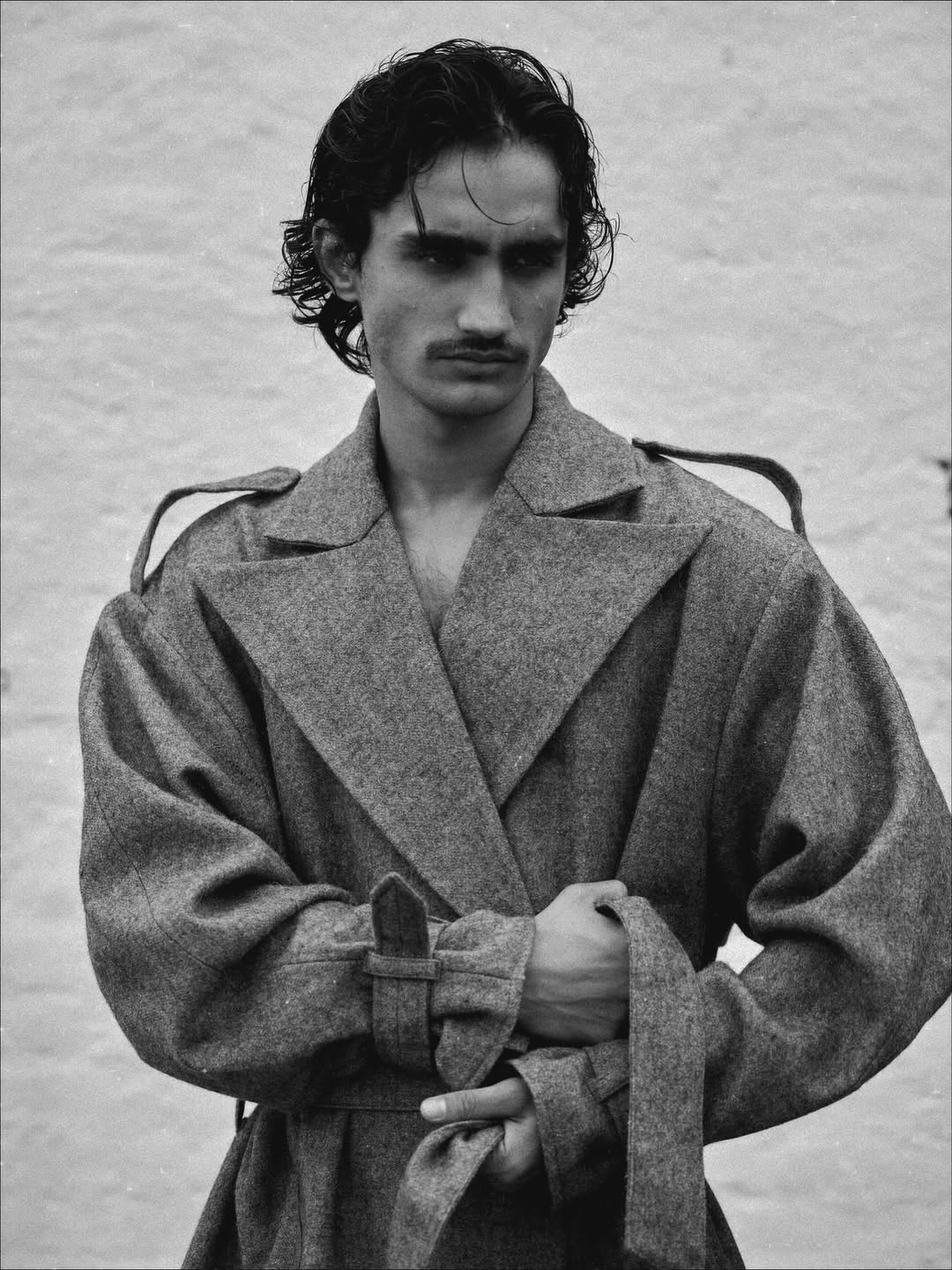
A model drowns during a shoot.
A fashion show stage collapses.
A stuntman dies performing a sequence.
A junior artist never returns home from a film set.
Crew members are injured while production continues.
Different cities. Different names. Different headlines.
The same pattern.
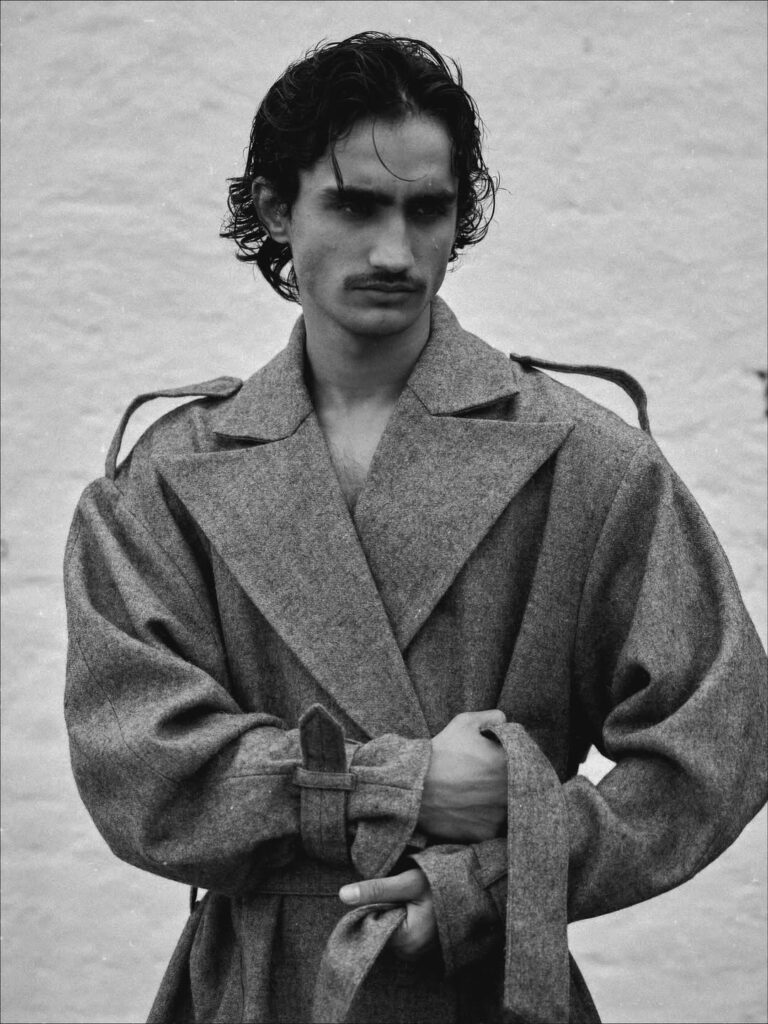
The death of model Divyanshu Joshi has forced uncomfortable conversations into the open. Conversations the industry has spent years avoiding. Questions about unsafe locations, accountability, insurance, emergency preparedness, and the value placed on the lives of the people who create the images we celebrate.
And if she hasn’t been rewritten, then they are still using her
But this story is bigger than one incident.
In 2023, model Vanshika Chopra lost her life after a lighting truss collapsed during a fashion event in Noida.
In 2025, stunt performer S.M. Raju died while executing a high-risk sequence on a film set.
The same year, junior artist MF Kapil drowned during the filming of a kantara : Chapter 1 production.
Crew members working on various productions across the country have repeatedly suffered injuries from equipment failures, unsafe environments, and rushed working conditions.
Every incident is treated as a tragedy.
Far far away, behind the word mountains
Rarely as a warning.
And almost never as evidence of a larger problem. The creative industry loves talking about craftsmanship, vision, storytelling, heritage, innovation and luxury. It spends crores building campaigns, runways, launches and experiences.
Yet the people carrying those productions often remain the least protected.Models are expected to pose in dangerous locations.Assistants are expected to work impossible hours.Photographers are expected to absorb endless revisions.Stylists are expected to perform miracles on shrinking budgets.Crew members are expected to manage risks they never signed up for.Everyone is expected to sacrifice.Very few are protected.Somewhere along the way, exploitation was rebranded as passion.Underpayment became “exposure.”Overwork became “dedication.”Burnout became “part of the process.”And speaking up became a risk to future employment.
The industry frequently demands world-class output from people it often refuses to treat like professionals.
Freelancers are asked to deliver more than they were hired for.
Payments are delayed.
Contracts are vague.
Insurance is rare.
Safety briefings are inconsistent.
Accountability is often missing entirely.
Yet the expectation remains the same: show up, perform, deliver.
No questions asked.
The truth is uncomfortable.
The biggest risks are rarely carried by the people with the most power.
They are carried by freelancers.
By models.
By assistants.
By junior artists.
By crew members.
By the people whose names rarely appear in headlines until something goes wrong.
The creative economy cannot continue celebrating the work while ignoring the workers.
Because after enough accidents, enough injuries and enough deaths, the conversation can no longer be about bad luck.
It becomes a conversation about choices.
About priorities.
About what an industry is willing to spend money on—and what it isn’t.
And perhaps the most brutal question of all is this:
If the people creating the industry are so essential to its success, why are they still treated as its most expendable asset?
Leave a Reply