
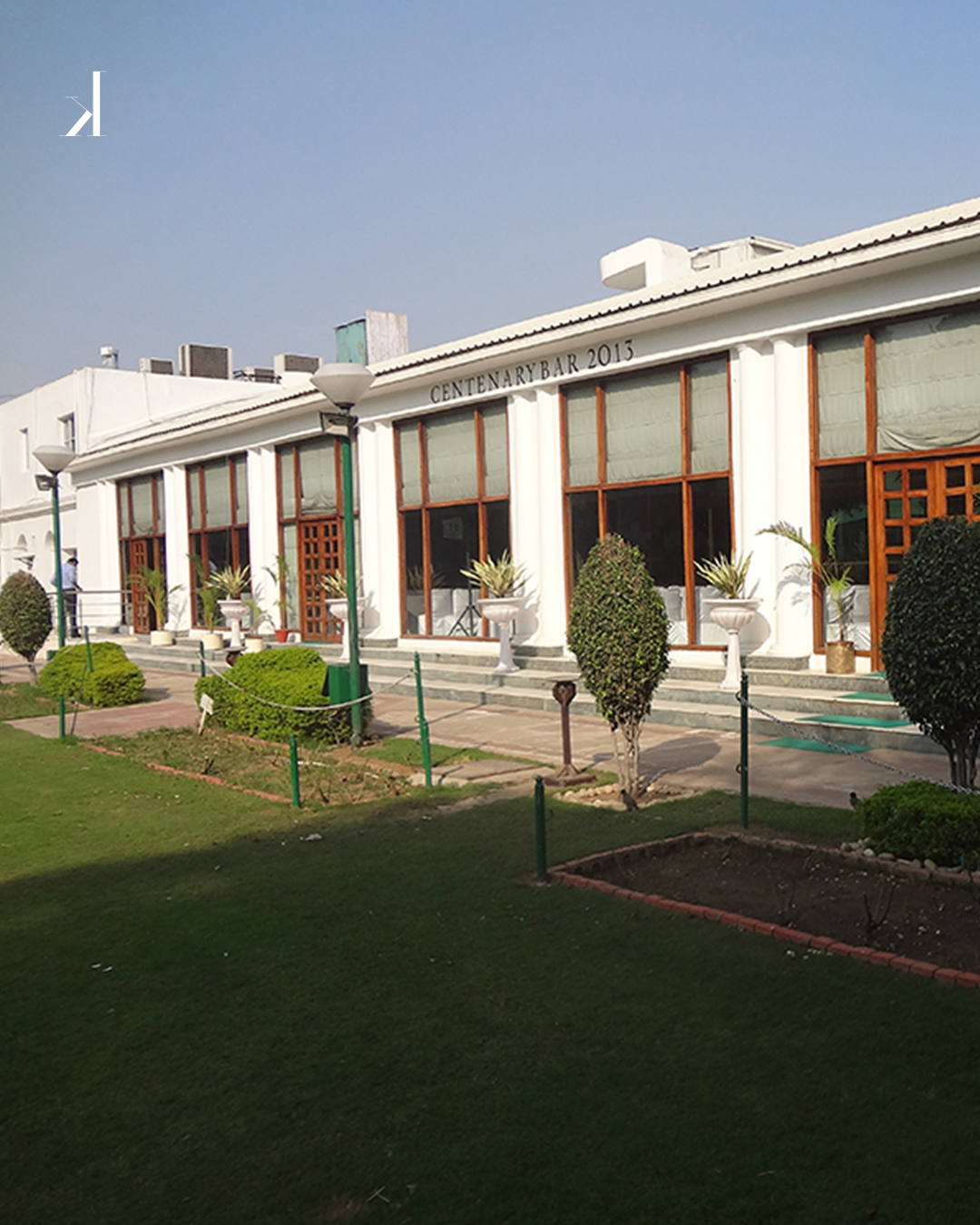
For more than a century, Delhi Gymkhana Club has existed as one of the most powerful social symbols of India’s capital a place where bureaucracy, politics, military influence, diplomacy, and business quietly converged behind colonial walls. Now, after reports that the government has asked the club to vacate its historic premises, one of Delhi’s most elite institutions faces an uncertain future.
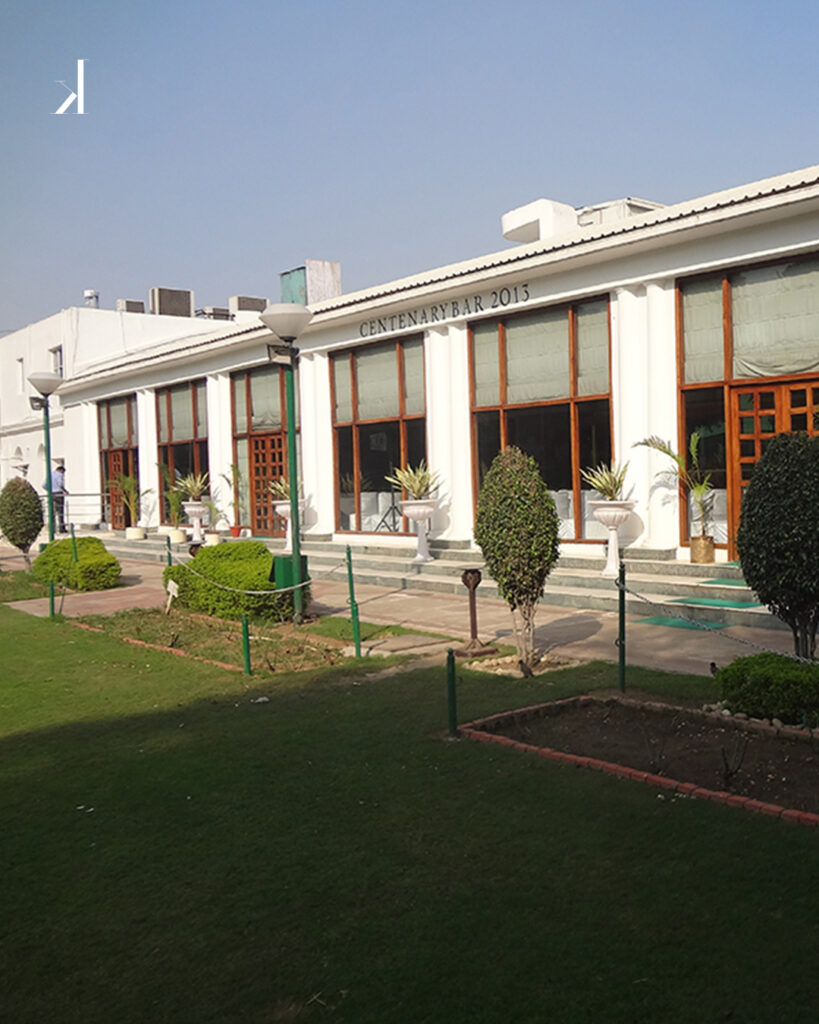
Originally established in 1913 as the Imperial Delhi Gymkhana Club during British rule, the club was built to serve the colonial administrative elite of New Delhi. Located in the heart of Lutyens’ Delhi near Safdarjung Road, the space reflected the architecture and hierarchy of the era itself expansive lawns, old-world bars, wood-panelled rooms, tennis courts, and highly restricted membership culture. After Independence, the “Imperial” tag disappeared, but the club’s identity as a centre of influence remained intact.
Far far away, behind the word mountains
Over decades, Delhi Gymkhana became far more than a recreational club. It evolved into a social ecosystem for India’s power circles. Senior bureaucrats, diplomats, army officers, politicians, industrialists, and influential families built networks here that often extended beyond formal institutions. In many ways, Gymkhana represented the softer side of Delhi’s power structure — where access, legacy, and social capital quietly shaped elite culture in the capital.
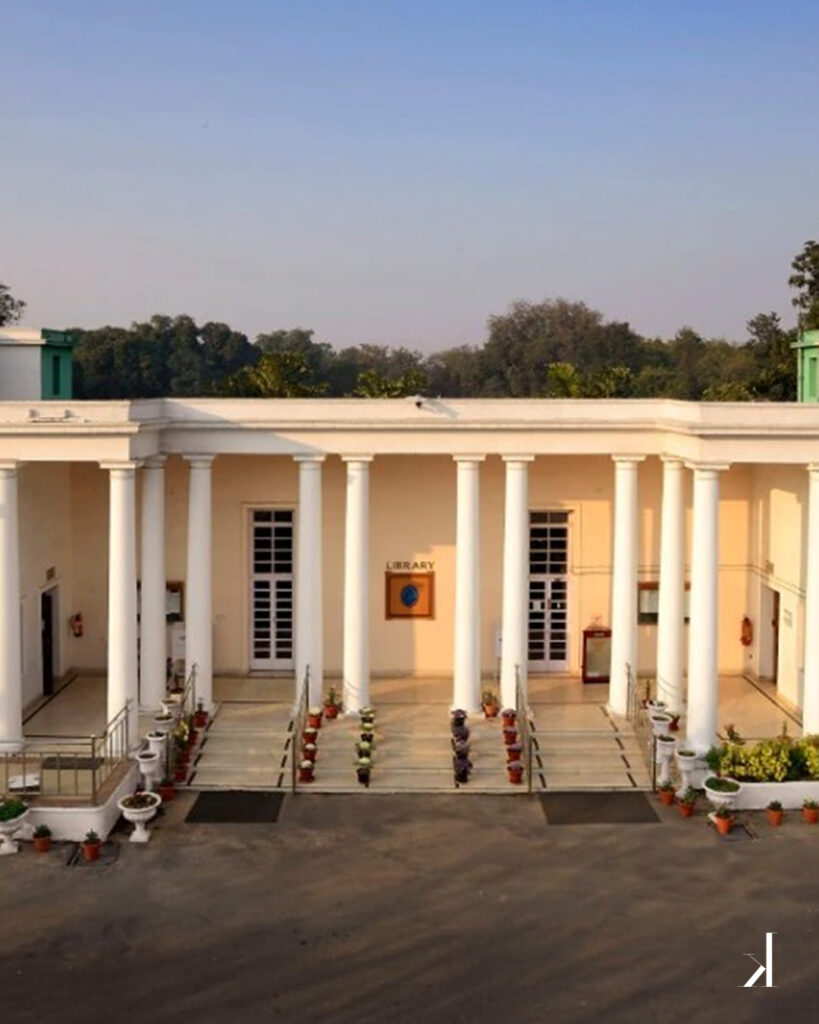
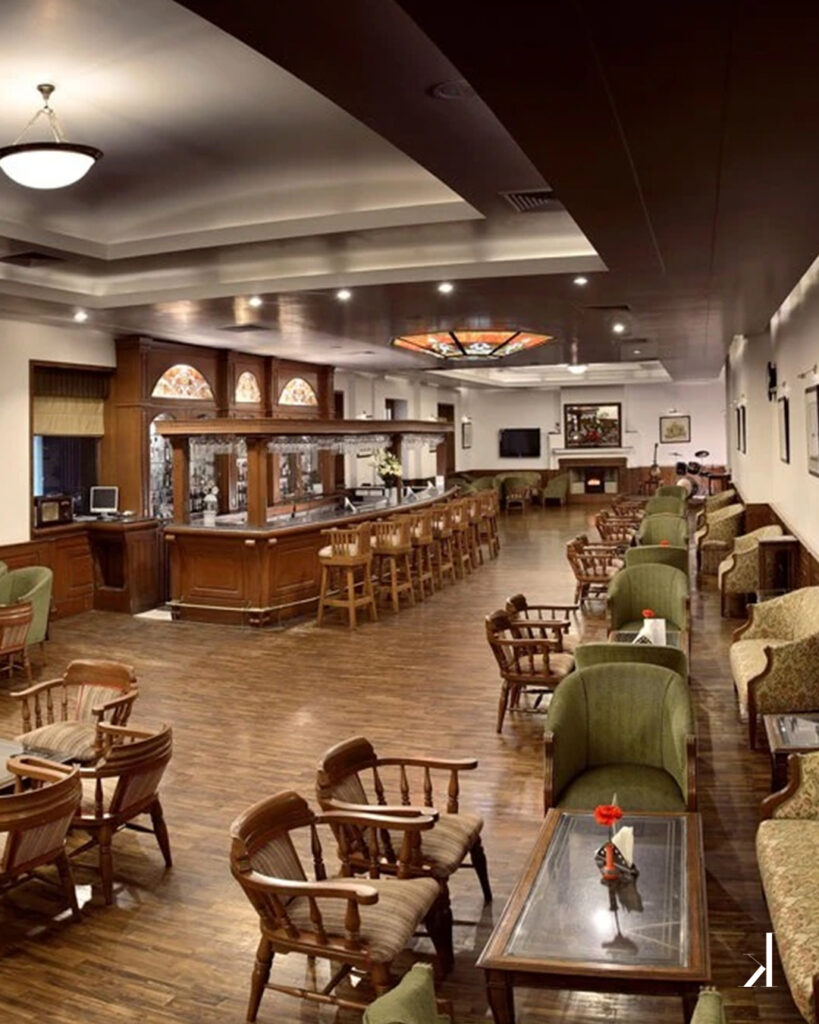
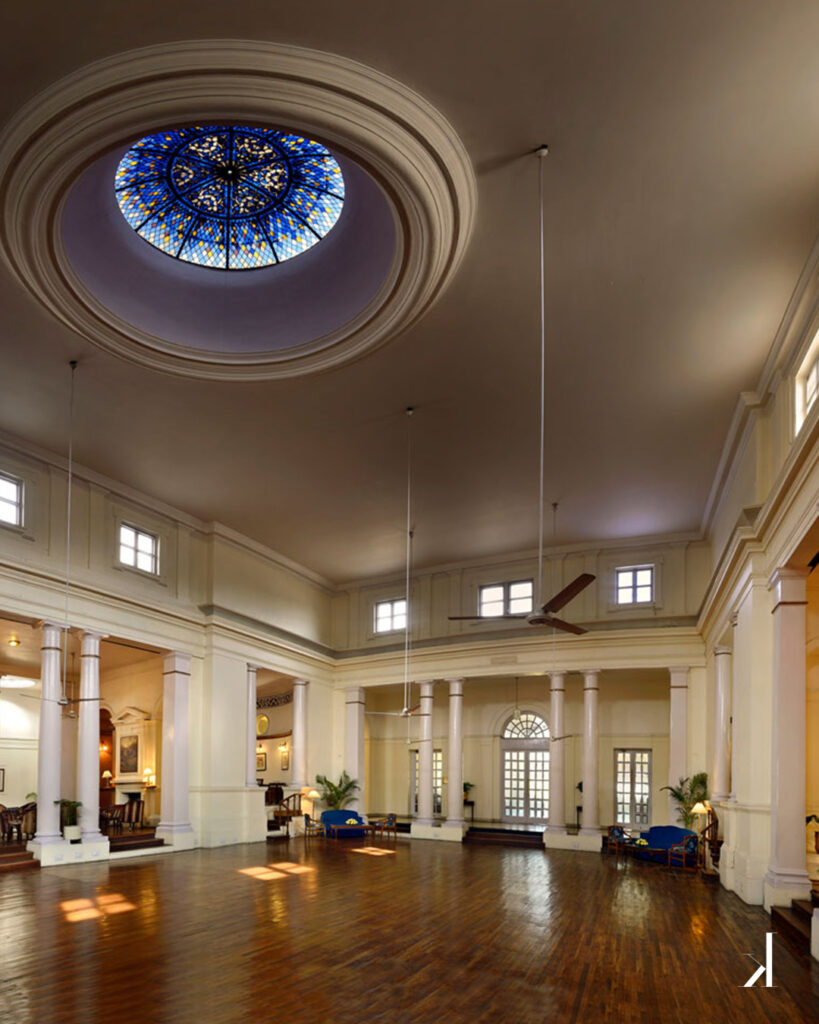
Membership itself became a status symbol. Waiting periods stretched for years, and entry into the club often reflected one’s position within India’s administrative and social hierarchy. To many, Delhi Gymkhana symbolised the old “Lutyens’ Delhi” establishment — exclusive, influential, and deeply tied to post-colonial power culture.
Now, that image appears to be cracking. Reports suggest the government has ordered the club to vacate its land citing administrative and security requirements, triggering debates around heritage, privilege, and changing political power structures in India. Supporters see the move as necessary reform against elite exclusivity, while critics view it as the dismantling of a historic institution woven into Delhi’s identity.
Whatever the outcome, the possible closure of Delhi Gymkhana is not merely about a club losing space. It marks the fading relevance of an older Delhi — one built on inherited networks, institutional privilege, and quiet influence — as a new power culture begins to redefine the capital.
Leave a Reply